

How to choose the right excavator bucket size
Choosing the right excavator bucket size is crucial for ensuring optimal performance and productivity on site. With a range of معدات تنقيب 24 (20/11) factors to consider, such as the type of material being handled and the specific job requirements, selecting the appropriate bucket size requires careful consideration. In this article, we will explore the key considerations and provide guidance on how to choose the right excavator bucket size for your needs.
ٍSee Also: Renting vs Buying Excavation Equipment: What’s Best for Small Businesses?
When choosing the right excavator bucket size, you should consider the type of material you will be excavating, the desired production rate, and the size of the excavator. Larger buckets are suitable for loose materials and larger excavation jobs, while smaller buckets are better for precision work and compact areas. It is essential to consult with your equipment dealer or manufacturer to determine the best bucket size for your specific needs. Additionally, you may want to consider experimenting with different bucket sizes to see which one works best for your particular job requirements.
Essential Tips for Selecting the Perfect Excavator Bucket Size

Excavator buckets are designed to match the needs of specific jobs, so choosing the right size is essential for maximizing efficiency and productivity. Here are a few essential tips for selecting the perfect excavator bucket size:
1. Consider the type of material you will be excavating. Smaller buckets are more suitable for finer materials like sand and gravel, while larger buckets are better for heavy, dense materials like clay or rocks.
2. Evaluate the size of the job site. A smaller bucket may be more maneuverable in tight spaces, while a larger bucket can help cover more ground in open areas.
3. Take into account the capacity of the excavator. The bucket size should be proportionate to the lifting capacity and hydraulic power of the machine for optimal performance.
4. Think about the depth and width of the trenches or holes you need to dig. The bucket should be able to reach the desired depth and width without compromising stability or efficiency.
5. Consult with a professional to ensure that the bucket size is compatible with your specific excavator model and attachment requirements.
By considering these factors, you can choose the right excavator bucket size to meet the demands of your particular job and achieve the best results.
ٍSee Also: How to Use Gold Price Alerts for Smart Investment Decisions
The Importance of Choosing the Right Excavator Bucket Size
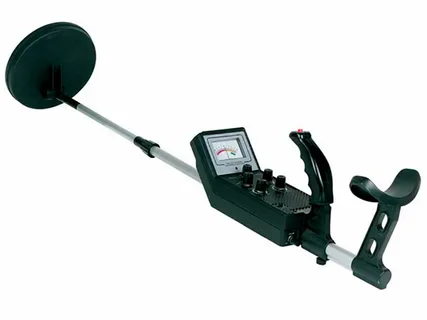
Choosing the right excavator bucket size is crucial for the success and efficiency of any excavation project. The size of the bucket affects the machine’s digging capacity, productivity, and fuel efficiency. Using the wrong bucket size can result in reduced productivity, excessive wear and tear on the equipment, and increased operating costs. Factors to consider when selecting the right bucket size include the type of material being excavated, the density of the material, and the desired bucket fill factor. It’s important to consult with equipment professionals and consider the specific requirements of each job to ensure the right bucket size is chosen for optimal performance.
Finding the Ideal Excavator Bucket Size for Your Project
Excavator bucket size is an important factor to consider when starting a new project. The ideal bucket size will depend on the type of material being excavated, the size of the project, and the specific requirements of the job. Larger buckets are more efficient for moving large volumes of loose material, while smaller buckets are better for precision work in tight spaces. It’s important to assess the specific needs of your project and consult with a professional to determine the best bucket size for the job. Taking the time to find the right size bucket can improve efficiency, reduce costs, and ensure the success of your project.
Understanding How to Determine the Correct Excavator Bucket Size
Excavator bucket size is determined by considering the machine’s specifications, the type of material being excavated, and the specific job requirements. The size of the excavator itself will largely dictate the size of the bucket that can be used. Factors such as the reach and lift capacity of the machine also play a role in determining the appropriate bucket size. Additionally, the type of material being excavated, such as loose soil, rock, or debris, will influence the choice of bucket size. Finally, the specific job requirements, including the depth and width of the excavation, will also impact the selection of the correct bucket size. By carefully considering these factors, the most suitable excavator bucket size can be determined for a given job.
Key Considerations for Selecting the Right Excavator Bucket Size
The key considerations for selecting the right excavator bucket size include the type of material being handled, the size of the excavator, the specific job requirements, and the desired productivity. For lighter materials such as topsoil and sand, a larger bucket size can help increase efficiency and productivity. In contrast, for tougher materials such as rock or concrete, a smaller bucket size may be more appropriate for better control and digging force. The size of the excavator itself will also play a significant role in determining the most suitable bucket size, as a larger excavator can generally handle larger bucket sizes. Additionally, considering the specific job requirements, such as the depth and width of the trenches, as well as any space constraints, is crucial for selecting the right bucket size to ensure optimal performance and safety.
The Ultimate Guide to Choosing the Right Excavator Bucket Size
The Ultimate Guide to Choosing the Right Excavator Bucket Size provides valuable information and tips to help individuals select the appropriate bucket size for their specific excavation needs. The guide covers the factors to consider when choosing a bucket size, such as the type of material being excavated, the size of the job site, and the specific requirements of the project. Additionally, the guide offers insights into the different types of excavator buckets available and their respective benefits and drawbacks. By following the recommendations outlined in this guide, individuals can ensure they select the right excavator bucket size for optimal efficiency and productivity on their projects.
Top Factors to Keep in Mind When Selecting Excavator Bucket Size
Essential Equipment for Trenching and Pipe Laying Excavation Projects
Excavator bucket size is a crucial factor to consider when selecting the right attachment for your project. Some of the top factors to keep in mind when choosing an excavator bucket size include the type of material being moved, the size of the excavation area, the lifting capacity of the excavator, and the specific requirements of the job. Additionally, the bucket size should be compatible with the hydraulic capabilities of the excavator to ensure optimal performance. Taking these factors into account will help you select the appropriate bucket size for your specific excavation needs.
Maximizing Efficiency: Selecting the Right Excavator Bucket Size
To maximize efficiency in excavation operations, selecting the right excavator bucket size is crucial. The right bucket size will help to optimize the machine’s performance and minimize fuel consumption. Factors to consider when selecting the excavator bucket size include the type of material being handled, the desired digging depth, and the specific application. A larger bucket size will allow for faster digging and increased productivity, but may not be suitable for smaller or more precise tasks. Conversely, a smaller bucket size may be more suitable for detailed or confined spaces but could result in slower progress for larger-scale projects. It is important to carefully assess the job requirements and consult with equipment specialists to determine the most suitable excavator bucket size for maximizing efficiency in any given project.
Avoiding Common Mistakes in Choosing the Correct Excavator Bucket Size
ٍSee Also: Revolutionizing Underground Mining: The Latest Machinery Innovations
When choosing the correct excavator bucket size, it is important to avoid common mistakes to ensure optimal performance and efficiency. One common mistake is using a bucket that is too small for the job, which can lead to increased wear and tear on the equipment and decreased productivity. On the other hand, using a bucket that is too large can reduce the machine’s maneuverability and efficiency. It is important to carefully assess the specific requirements of the job and choose the appropriate bucket size accordingly. Additionally, considering the density and type of material being excavated is critical in selecting the right bucket size. Taking the time to accurately assess these factors can help avoid common mistakes and ensure the correct excavator bucket size is chosen for the job.
Expert Advice for Choosing the Optimal Excavator Bucket Size
Optimal excavator bucket size depends on several factors, including the machine’s size and capacity, the type of material being excavated, and the specific job requirements. It is important to consider the digging conditions and the desired productivity when choosing the right bucket size. Consulting with experienced professionals or manufacturers can provide valuable insights and recommendations for selecting the optimal excavator bucket size for a given application. Additionally, testing different bucket sizes on-site can help determine the most effective and efficient option for the specific job at hand.
In conclusion, selecting the right excavator bucket size is crucial for maximizing efficiency and productivity on a construction site. By considering factors such as bucket width, capacity, and material type, operators can ensure that the excavator is equipped to handle the specific requirements of each job. By following the guidelines for how to choose the right excavator bucket size, construction professionals can achieve optimal performance and ultimately, improve project outcomes.
المادة للتثقيف العام. الأعشاب ليست بديلًا عن علاج موصوف، وتفسير الأحلام محتوى ثقافي غير علمي، والقرارات الصحية أو القانونية أو المالية أو الفنية تحتاج إلى مختص مؤهل.